How do the five stages of grief work when it’s the death of democracy that you’re mourning? Denial comes first.

I was living in Washington, DC, working for the federal government when this story takes place. At once, the future I had felt hopeful for was gone in an instant. Election results came in overnight, too soon, it seemed. The dread I felt would have been enough to keep me home from work, but I lived alone at the time, and I thought being around other people would help with processing it. DC, the city used to political change, looked as though nothing had happened. While some coworkers took a personal day, the people at the office went about business as usual. I felt so much shock at the time, it didn’t even feel real. Maybe this is what other people felt as well. We didn’t know what was waiting for us in the future.
The morning of the new president’s inauguration. The commute to the office was the same as usual, except for the ten-degree weather and icy sidewalks, which had been plaguing the city for a couple of weeks. The metro was the same as usual, filled with tired-looking commuters in shades of gray suits. The casual observer of the city would think nothing was amiss. Jaded bureaucrats comforted each other, told each other this would be no different than any other new administration.
The city of bureaucrats and politicians couldn’t anticipate what this new regime would bring.
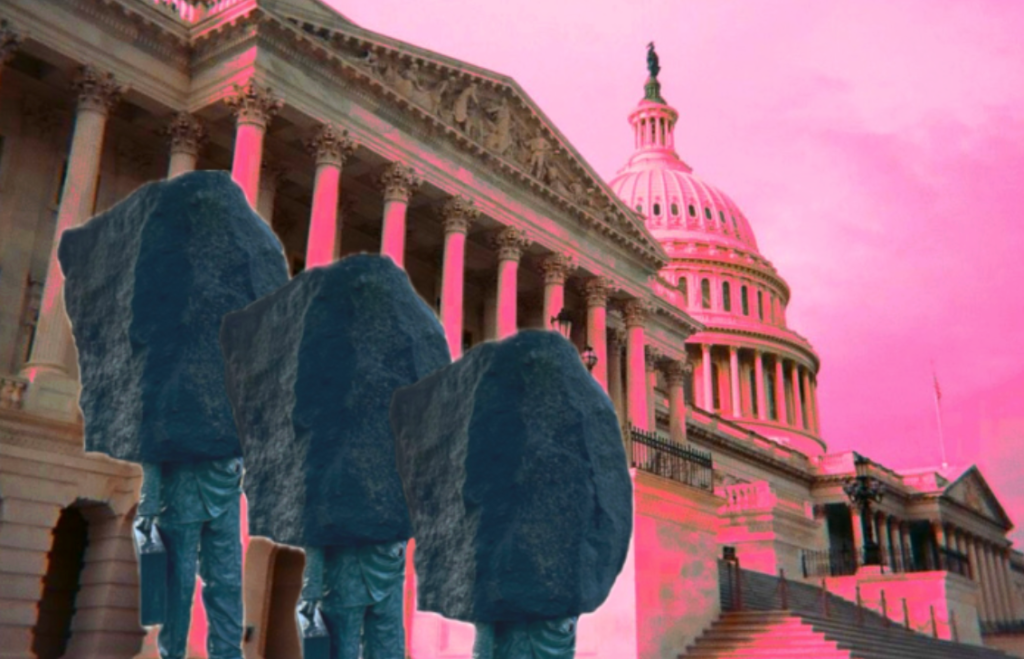
The first week of the second Trump administration could be characterized by the phrase, “shock and awe.” Outlandish, damaging, and extreme Executive Orders were being signed faster than we could read them. The actions taken immediately by the president demonstrated the vitriol, particularly focused on immigrants and the transgender community. Government employees received instructions to make lists of all programs, policies, and media that referenced “gender ideology,” climate change, DEI (diversity, equity, and inclusion), and more. There was also a clear attack on bureaucrats. More than ever before, bureaucrats were cast in the media as leeches, criminals, “deep state” villains. Government agencies were full of waste, fraud, and abuse, they said. Public servants were painted as lazy, and they deserved to be fired.
Then, they created something that was at once dangerously stupid and extremely destructive, and it was called the Department of Government Efficiency. AKA “DOGE.” It was led by Elon Musk, a man with no experience and no business in government. He represented an entire apparatus that was operating in a haphazard, careless, and ignorant manner to destroy our public institutions.
We heard they would try to fire us, get rid of remote working, make it so miserable that we quit, and destroy anything related to equity and climate.
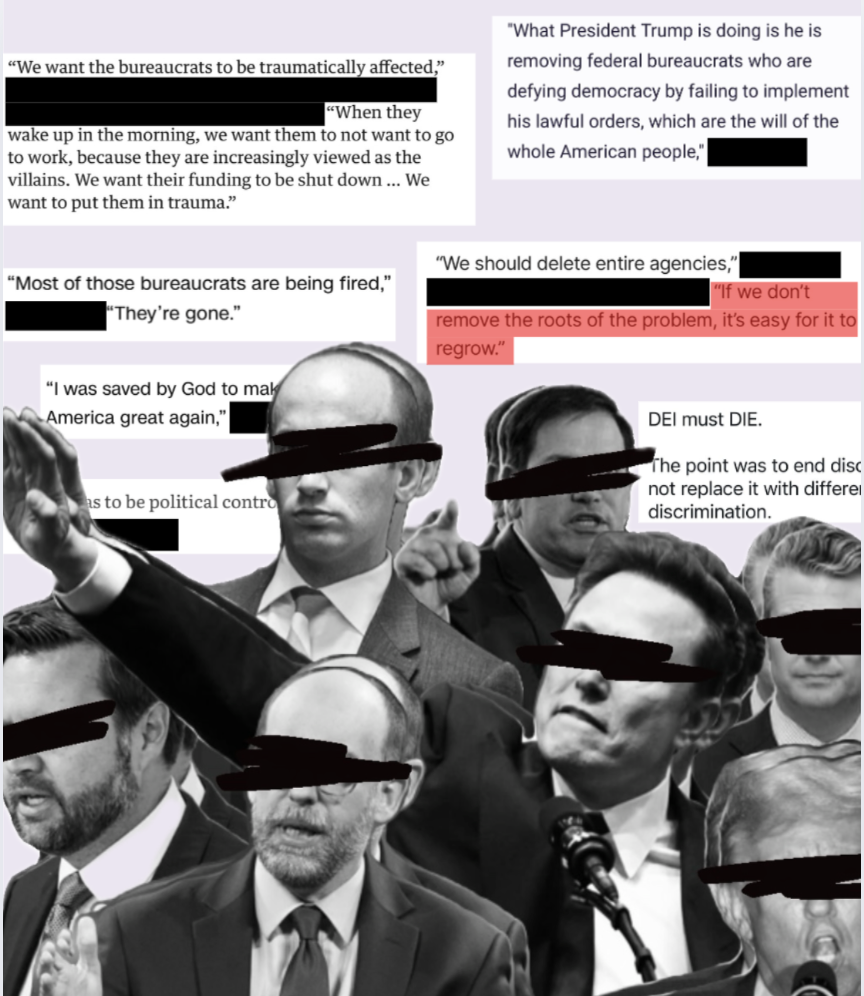
“It won’t happen,” we said, “they can’t do that.” Or, depending on who you talked to, “Good, I hope they do.” For as devastating as we found these actions, there was a large part of the country that actively celebrated. Sitting silently in my dark bedroom, I watched on my phone as the president signed a series of destructive executive orders and his crowd cheered. I kept checking online postings to get the latest news on who was getting fired next.
A valuable lesson I learned during this time: when this administration tells you what they want to do (even if you think they’re joking, even if it’s impossible), trust that they will make it happen. If they say they want to fire government employees, they will. If they say they want to lock up immigrants, they will. If they say they want to deploy armed troops in American cities, they will. So on and so forth.
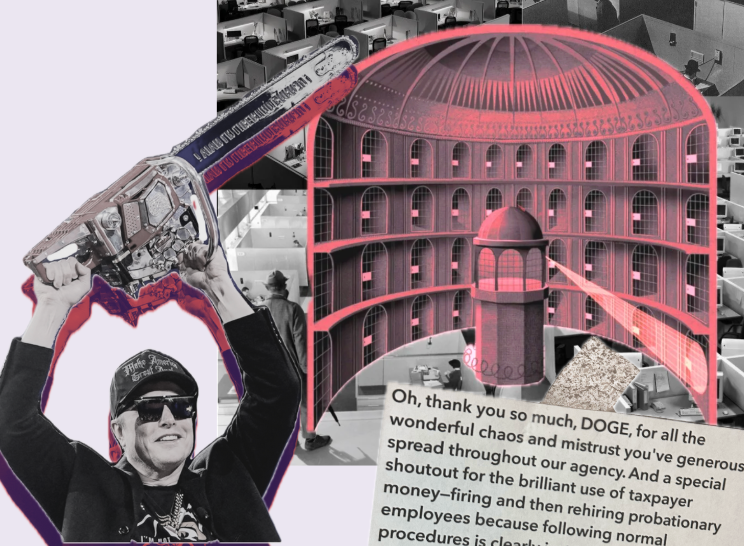
They said they wanted to traumatize government employees, force us all back in the office, and fire us. And they did. Was it legal? No, but they did it anyway. Not only this, they did it in the cruelest way possible. On Valentine’s Day, a Friday evening, they fired all the probationary staff at my agency. My boss, who happened to be in a probationary period, found out he was fired while out at dinner. This became known as the “Valentine’s Day Massacre.” We didn’t even know who all had been fired; they wouldn’t tell us. I would write an email to someone or go to schedule a call, and all of a sudden, they were just gone.
Even after they had fired entire offices, shuttered entire government agencies, and gotten rid of the pathways program that began my government career, my coworkers still were in denial. There was a strong belief that “they can’t get rid of us all.” The unfortunate thing was, they could. They got rid of the US Agency for International Development. An entire agency of people, fired. Countless essential programs and operations were tossed aside like they were nothing.
They would use every tool they had to get rid of government employees. And why? Bureaucrats are the faceless, nameless servants who hold up our institutions. While power shifts and different presidents come and go, these servants remain to do the work that delivers essential services, maintains roads, manages healthcare benefits, and more. Without bureaucrats, our institutions crumble. No one is left to resist an authoritarian figure who is eager to install his own sycophants to push through a destructive agenda.
The office environment began to deteriorate. Every single day, we all continued to work, all while a sword was hanging over us. It seemed to be a question of when we would get fired, not if. Especially for specific offices and positions that we knew were being targeted. All of our work suddenly shifted, and we were being asked to do things that I felt ashamed of. To be a government employee sometimes means you must follow the orders you are given, even when you don’t agree with them. The advice I received once was that when you are given an order that goes against your morals, then it’s time for you to leave.

The time came when they started offering “buyouts,” or deals to incentivize people to quit. By the time I received the offer (on April Fools Day, of course), I already knew that if I stayed, it likely meant getting fired anyway, or, if not, doing work that I didn’t feel comfortable doing. Taking this buyout gave me the freedom and financial resources that I would need to begin my next chapter.
And what is my next chapter? I had left my career path behind, and feared what would become of DC and the United States as a whole under this new regime. I knew a storm was coming, and it was time for me to take a leap. A coworker had once told me about a visa program in Australia, and I began to joke about how I would move there. Eventually, I found myself applying for the visa, selling all my things, and hopping on a plane to go halfway across the world.
So now, here I am in Australia. I plan to stay and work for a year and hit the reset button. I have a long and tough personal journey ahead of me, as I try to make my way and figure out what comes next for me. I no longer follow the life story I had crafted, so now I go out in search of a new one.


Exploring my thoughts, experiences, and insights on life, travel, and personal growth. Join me on this journey of self-discovery and inspiration.